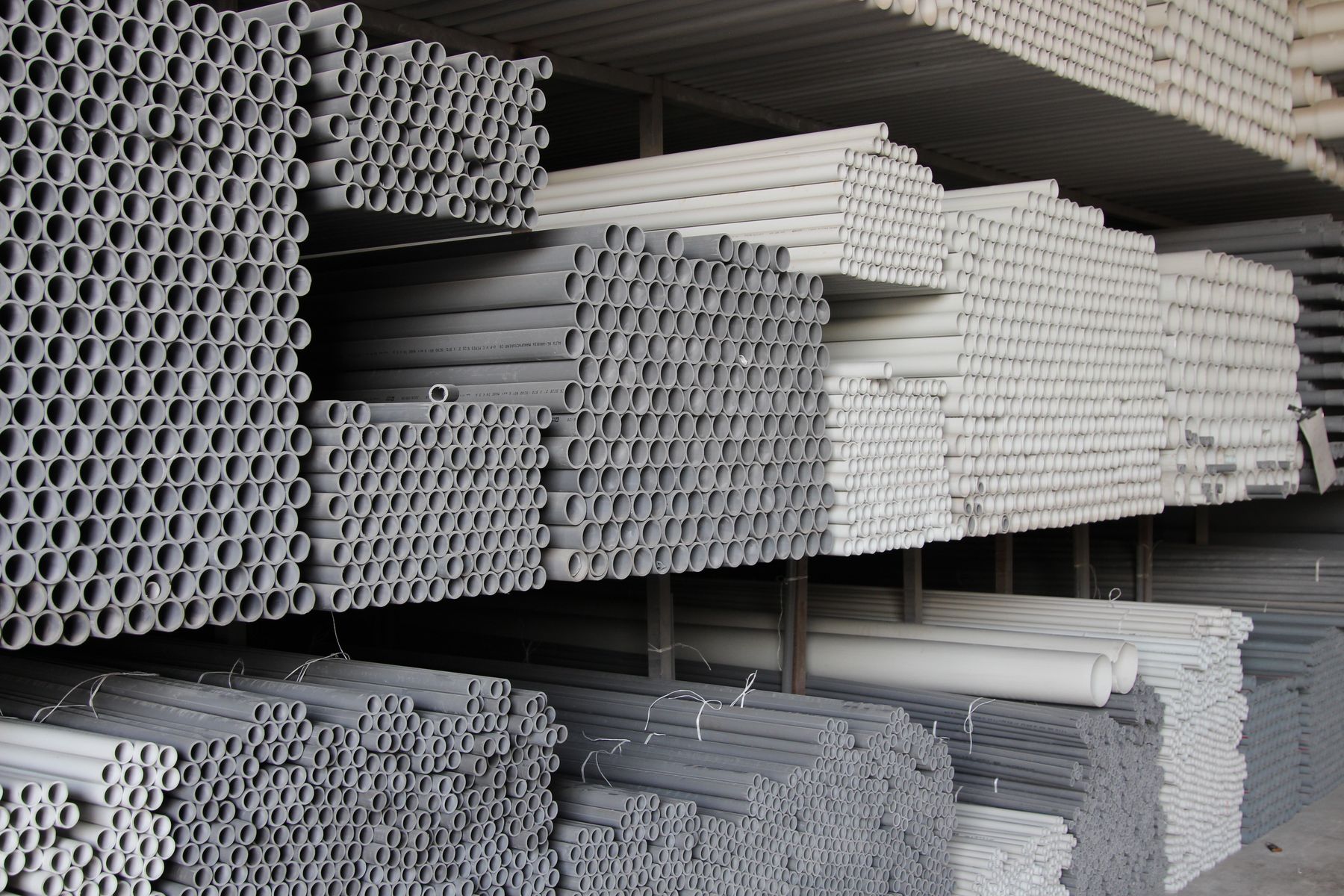
Rigid non-metallic electrical conduit for underground and embedded cable protection. Schedule 40 & 80, 1/2" to 6", for power, telecom, data, and lighting circuits. SASO and SEC compliant.
Direct pricing from the Jeddah plant, with technical submittal support.
Product photos from ALFA assets and supporting catalogue imagery for this family — for visual reference during specification and RFQ.
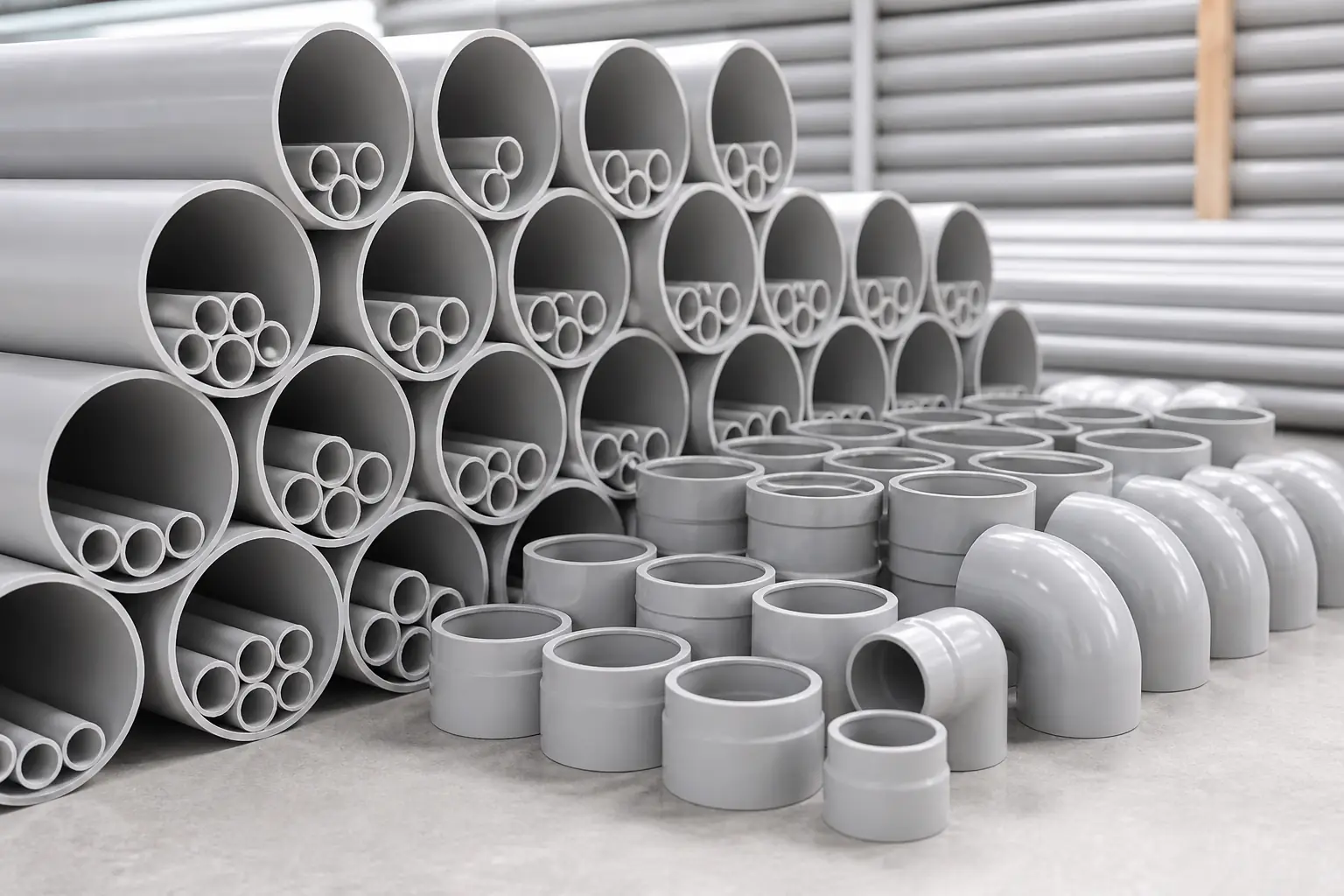
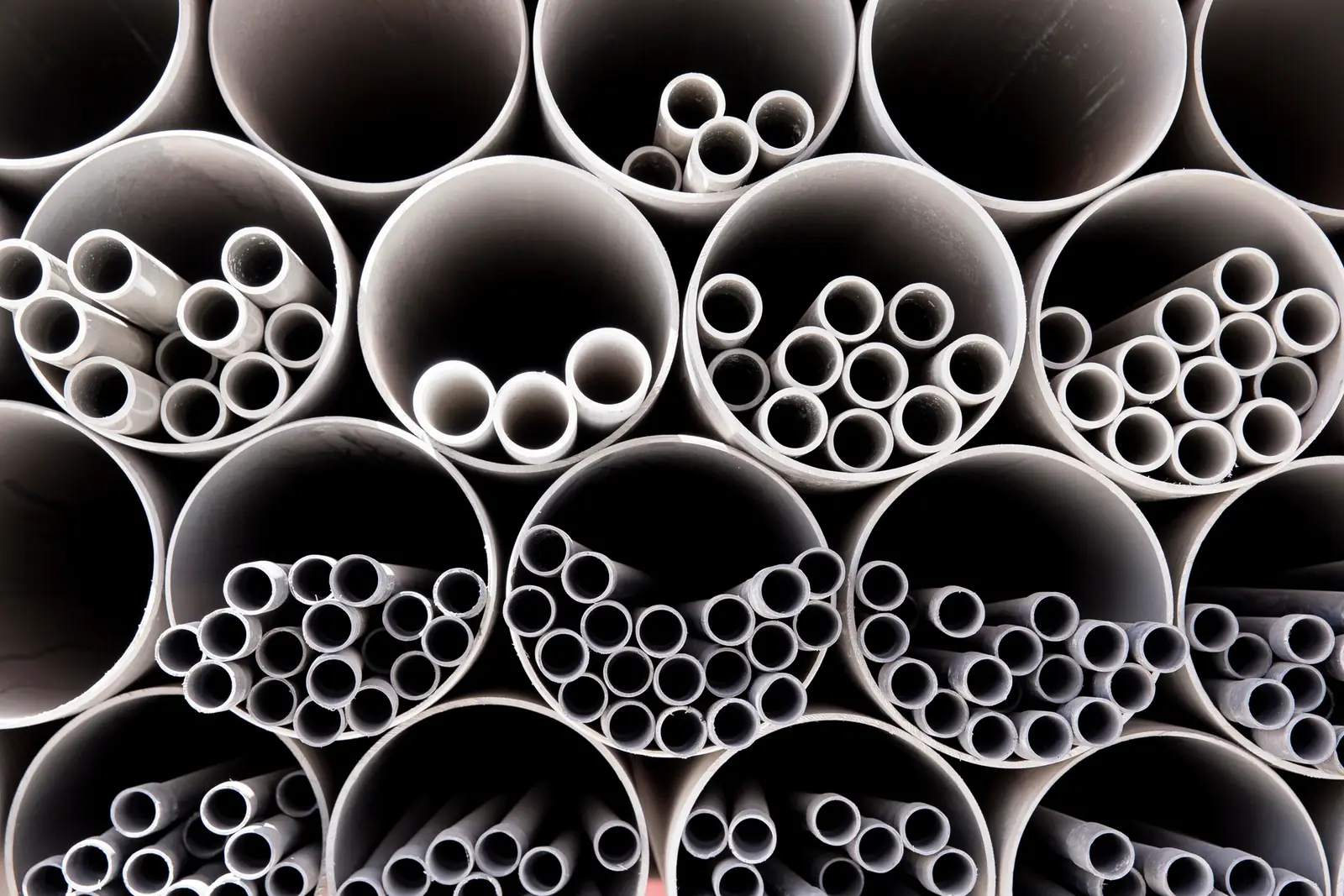
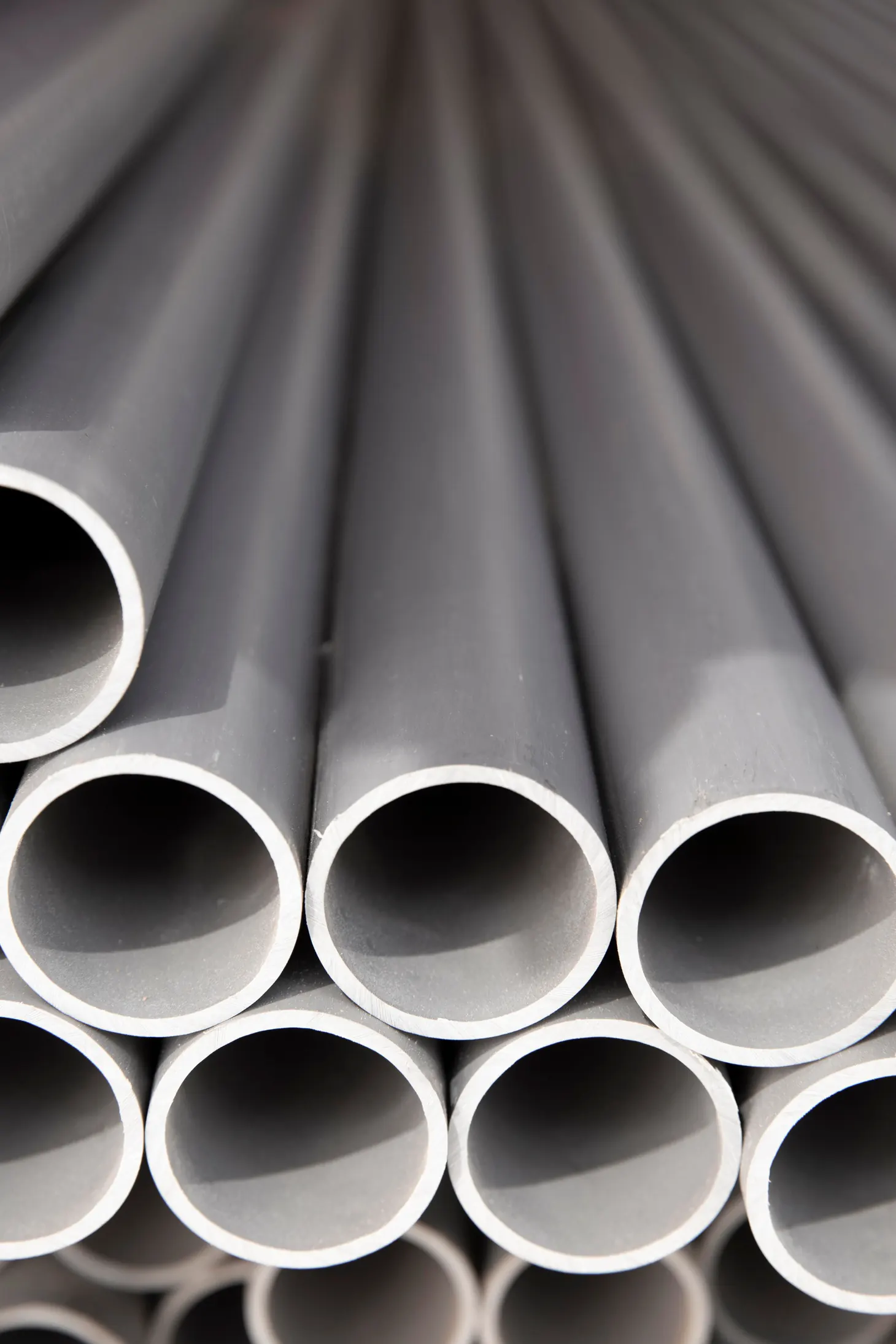
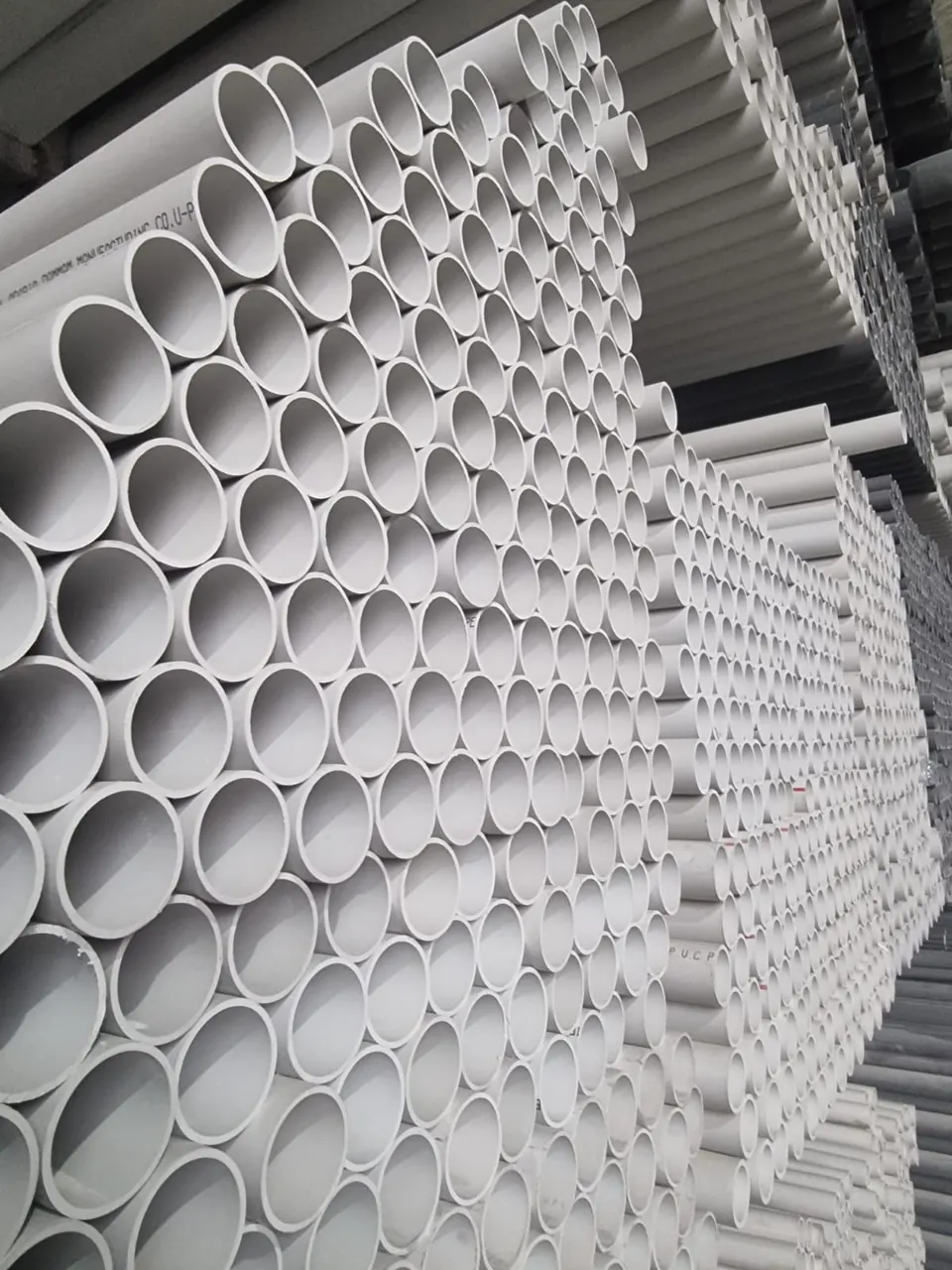
ALFA AL-ARABIA PVC electrical conduit is manufactured from rigid polyvinyl chloride to NEMA TC-2 and UL 651 standards. This conduit provides mechanical protection and routing for electrical power cables, telecommunications cables, fiber optic cables, and control/instrumentation wiring in underground, embedded (concrete-encased), and direct-buried installations. The conduit is non-conductive, eliminating ground fault paths, and is immune to galvanic corrosion — critical in Saudi Arabia's saline and chemically aggressive soil conditions.
| Standard | NEMA TC-2, UL 651, ASTM D3034, SASO |
|---|---|
| Material | Rigid PVC (Type I, Grade 1) |
| Size Range | 1/2" to 6" Trade Size |
| Wall Types | Schedule 40 (DB) & Schedule 80 (EB-20) |
| Jointing | Solvent Cement Socket & Bell-End |
| Color | Grey (standard) / Orange (telecom marking) |
| Length | 3.0 m / 6.0 m |
PVC electrical conduit serves as a raceway — a closed channel providing mechanical protection and organized routing for electrical cables. In Saudi Arabia, underground and embedded conduit is the standard method for distributing power, lighting, and telecommunications wiring in commercial, industrial, and infrastructure projects.
The key advantage of PVC conduit over metallic (galvanized steel or aluminum) conduit in Saudi Arabia is corrosion immunity. In coastal cities (Jeddah, Dammam, Jubail, Yanbu), sabkha soil contains high concentrations of chlorides, sulfates, and moisture that aggressively attack metallic conduit. PVC is completely unaffected by these conditions. Additionally, PVC is non-conductive, which means it cannot become an unintended ground fault path — a significant safety advantage in underground installations.
Other advantages include: lighter weight (easier handling and faster installation), smoother internal bore (lower friction when pulling cables — coefficient of friction approximately 0.5 vs. 1.0+ for corroded steel), chemical resistance to concrete alkalinity in embedded applications, and lower installed cost compared to galvanized rigid metal conduit (GRC).
| Trade Size | OD (in) | ID (in) | Wall (in) | Conduit Area (in²) | 40% Fill Area (in²) |
|---|---|---|---|---|---|
| 1/2" | 0.840 | 0.622 | 0.109 | 0.304 | 0.122 |
| 3/4" | 1.050 | 0.824 | 0.113 | 0.533 | 0.213 |
| 1" | 1.315 | 1.049 | 0.133 | 0.864 | 0.346 |
| 1-1/4" | 1.660 | 1.380 | 0.140 | 1.496 | 0.598 |
| 1-1/2" | 1.900 | 1.610 | 0.145 | 2.036 | 0.814 |
| 2" | 2.375 | 2.067 | 0.154 | 3.356 | 1.342 |
| 3" | 3.500 | 3.068 | 0.216 | 7.393 | 2.957 |
| 4" | 4.500 | 4.026 | 0.237 | 12.730 | 5.092 |
| 6" | 6.625 | 6.065 | 0.280 | 28.890 | 11.556 |
Electrical codes (NEC, SASO, SEC regulations) limit the percentage of conduit cross-sectional area that may be filled with cables. The standard fill percentages are: 53% for one cable, 31% for two cables, and 40% for three or more cables. These limits ensure that cables can be pulled through the conduit without damage and that adequate air space remains for heat dissipation.
To size a conduit, calculate the total cross-sectional area of all cables (including insulation) that will be pulled through it, then select a conduit whose allowable fill area (at the applicable percentage) equals or exceeds the total cable area. The 40% fill table in the dimensional specifications above provides the standard reference for three or more cables.
For long conduit runs (exceeding 30 m between pull points), or runs with multiple bends, consider upsizing the conduit by one trade size to reduce pulling tension. The smoother bore of PVC conduit (compared to corroded metal conduit) significantly reduces cable pulling friction, but pull length and bend radius still govern the maximum practical pull.
Underground duct banks: PVC conduit is commonly installed in concrete-encased duct banks for power and telecom distribution. Conduits are assembled with solvent-cemented joints, placed on spacers to maintain correct spacing, and encased in structural concrete. Duct banks typically carry multiple conduits (4, 9, 12, or 16) in a concrete envelope, with spare conduits for future cable additions.
Direct burial: For single conduit runs in less critical applications, PVC conduit can be directly buried in sand bedding at a minimum depth of 600 mm (750 mm under roads). Warning tape should be placed 300 mm above the conduit to alert future excavators.
Concrete slab embedment: In building construction, conduit is placed within the concrete floor slab during formwork stage. Use minimum schedule 40 conduit for embedded applications to resist construction loads during concrete pouring and vibration.
Bend radius: Factory-made 90° and 45° bends should be used where possible. Field bending is possible using a PVC conduit heater for Schedule 40 conduit up to 2" trade size. Minimum bend radius is 6× conduit trade size for power cables and 10× for fiber optic cables.
PVC conduit is primarily designed for underground and embedded installations. For above-ground exposed installations, PVC is not typically used because it softens in direct sunlight at sustained high temperatures (a concern in Saudi summers). For exposed applications, use UV-stabilized HDPE conduit or galvanized metal conduit.
Schedule 80 conduit has a thicker wall, providing greater mechanical protection and higher crush resistance. It is specified for areas subject to physical damage (crossing under roads, parking areas, heavy equipment zones). Schedule 40 is the standard for most underground and embedded applications.
The number depends on the cable diameter and the conduit's allowable fill area. For three or more cables, the total cable area cannot exceed 40% of the conduit's internal area. Use the NEC Chapter 9 tables or conduit fill calculators to determine the correct conduit size for your specific cable combination.
Solvent cement welding using PVC conduit cement. The procedure is similar to PVC pressure pipe: clean surfaces, apply primer, apply cement, insert and hold. Joints must be fully cured (24 hours) before concrete encasement or cable pulling.
Grey is the standard color for power conduit. Orange is used to mark telecommunications and fiber optic conduit for identification purposes during future excavation. The pipe material is identical; only the color pigment differs.
PVC conduit is rated for cable operating temperatures up to 75°C (for THWN/THHN type conductors). The conduit itself should not be exposed to sustained temperatures above 60°C. In Saudi Arabia, ensure adequate burial depth to keep conduit temperature below this limit.
Contact our Jeddah engineering desk for instant project-specific pricing, technical submittals, and Material Approval Request (MAR) support.
Use these resources for design methodology and submittals. Confirm ALFA sizes, ratings, and availability for your project.
PVC Conduit NEMA TC-2 · Standard context: NEMA TC-2. Documentation listed below is fulfilled on request through ALFA’s technical desk.