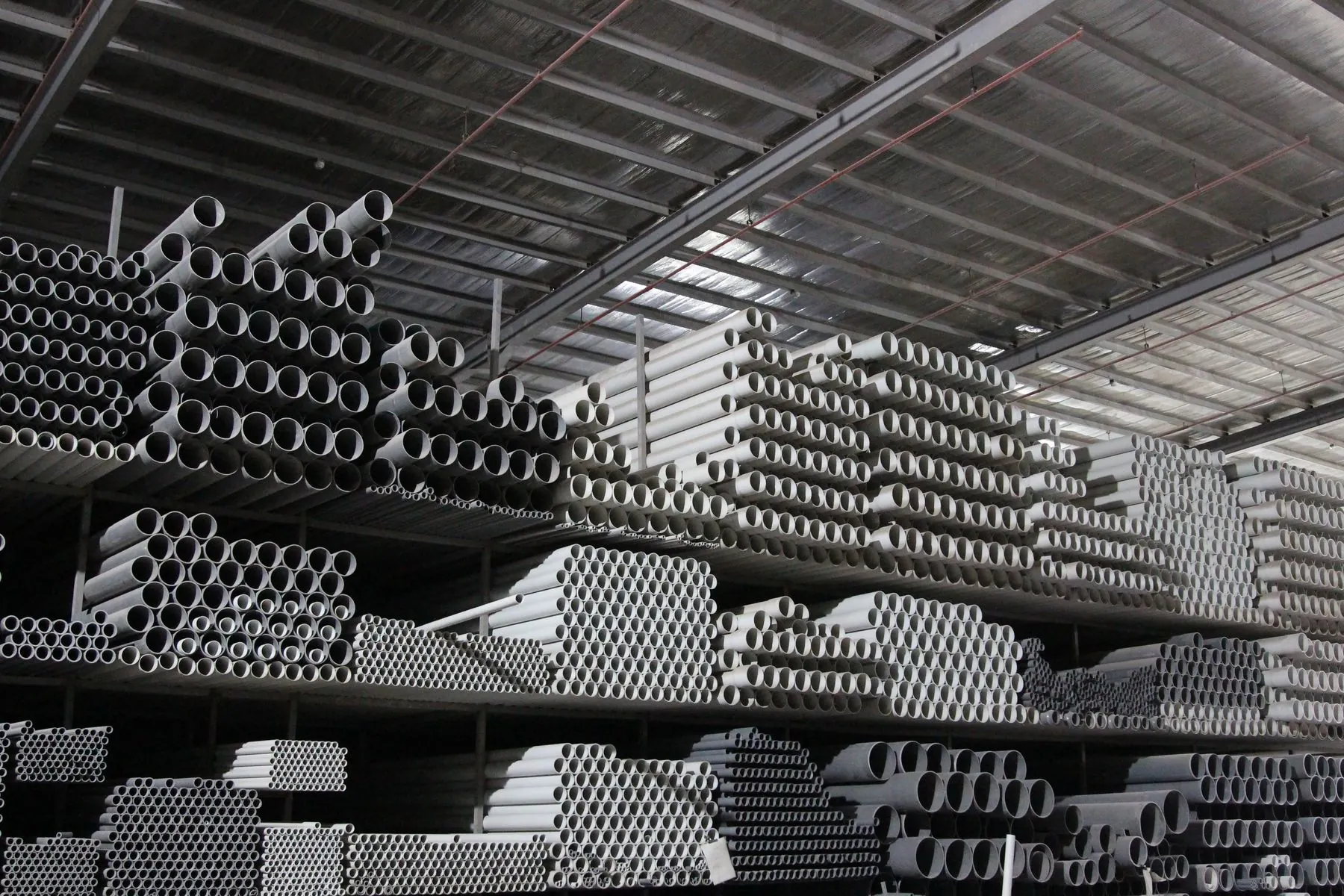
Corrosion-proof rigid PVC sewer pipes for municipal wastewater collection, stormwater drainage, and industrial effluent networks. SN 2 to SN 8 ring stiffness, 110 mm to 500 mm OD, rubber ring joints.
Direct pricing from the Jeddah plant, with technical submittal support.
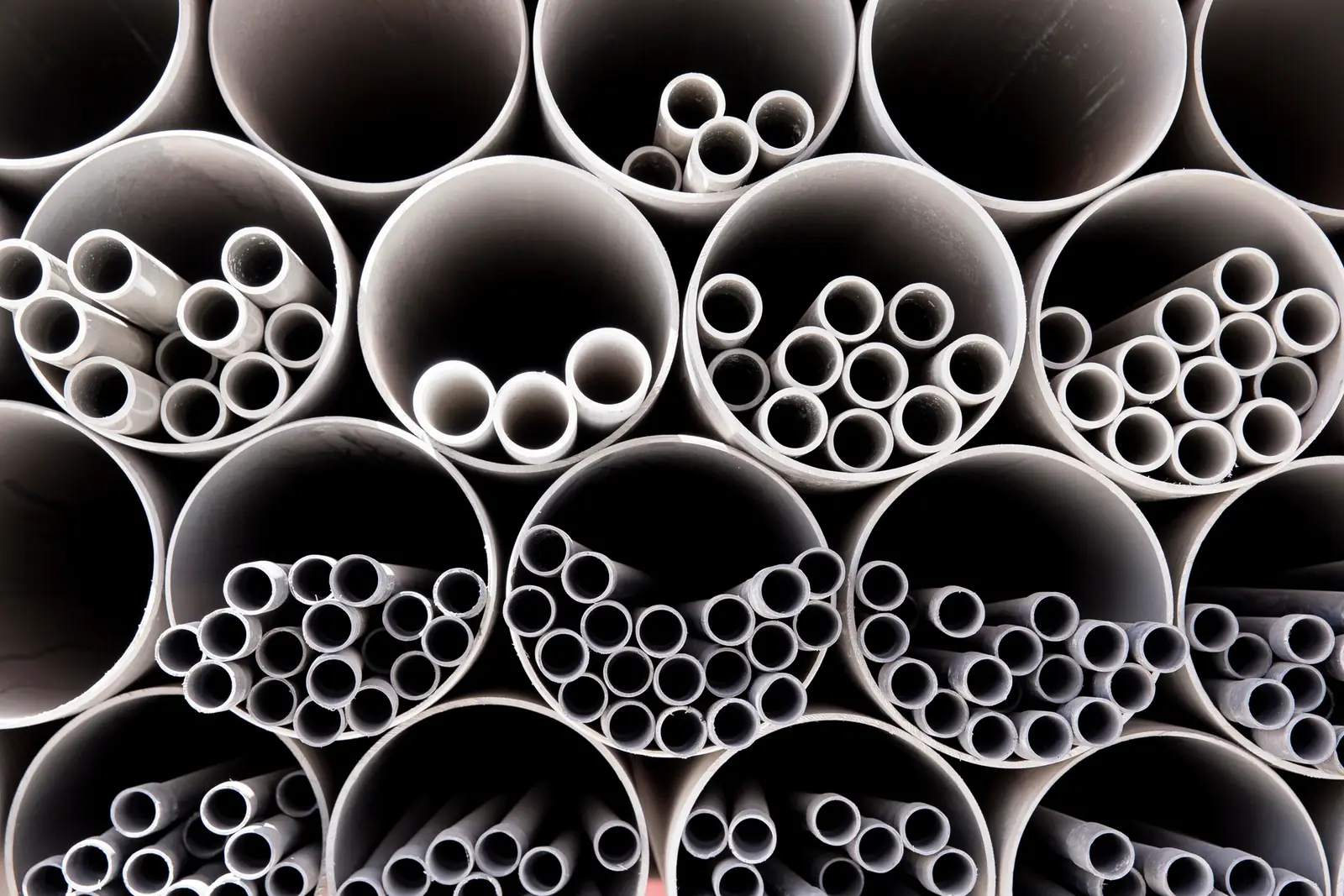
Product photos from ALFA assets and supporting catalogue imagery for this family — for visual reference during specification and RFQ.
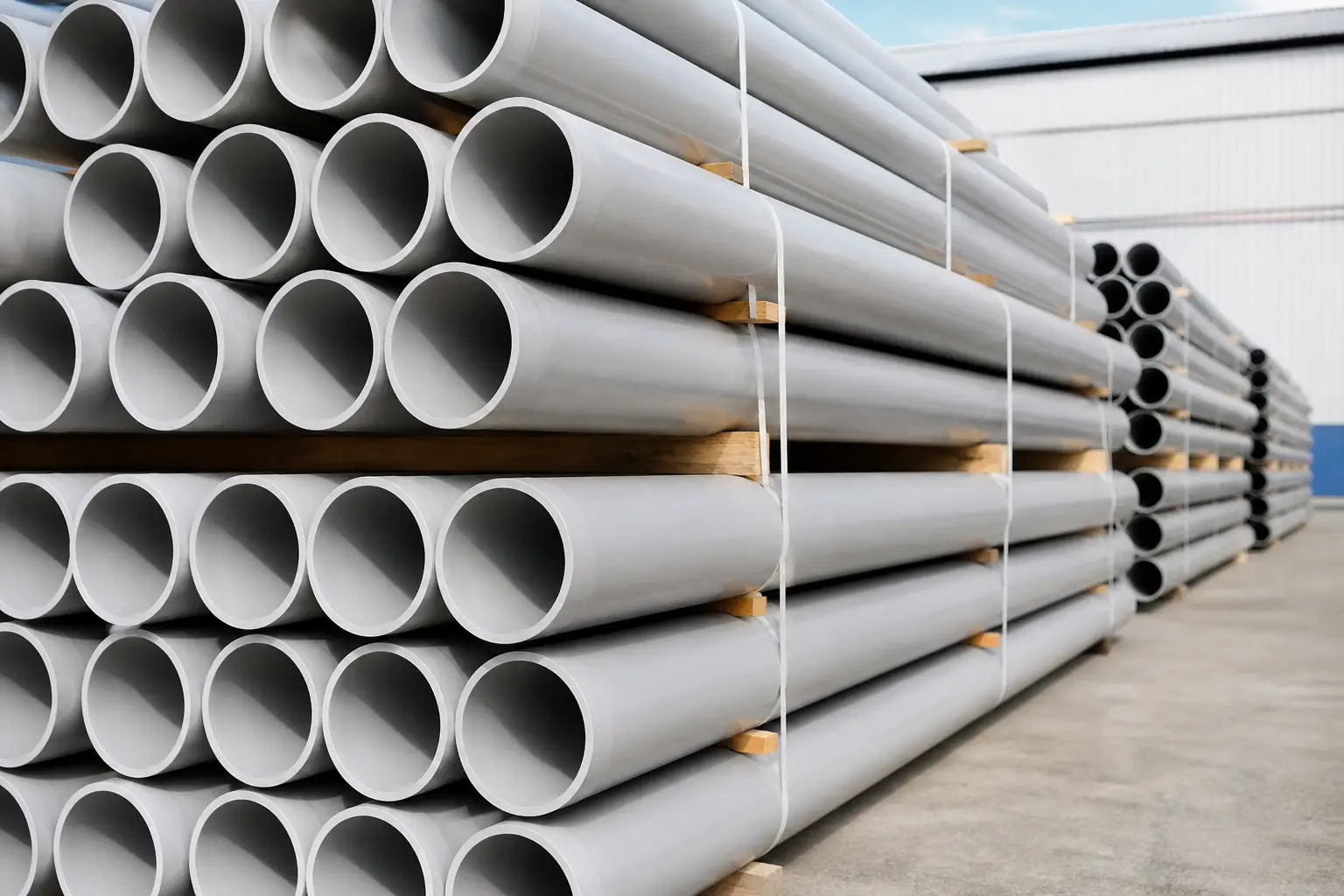
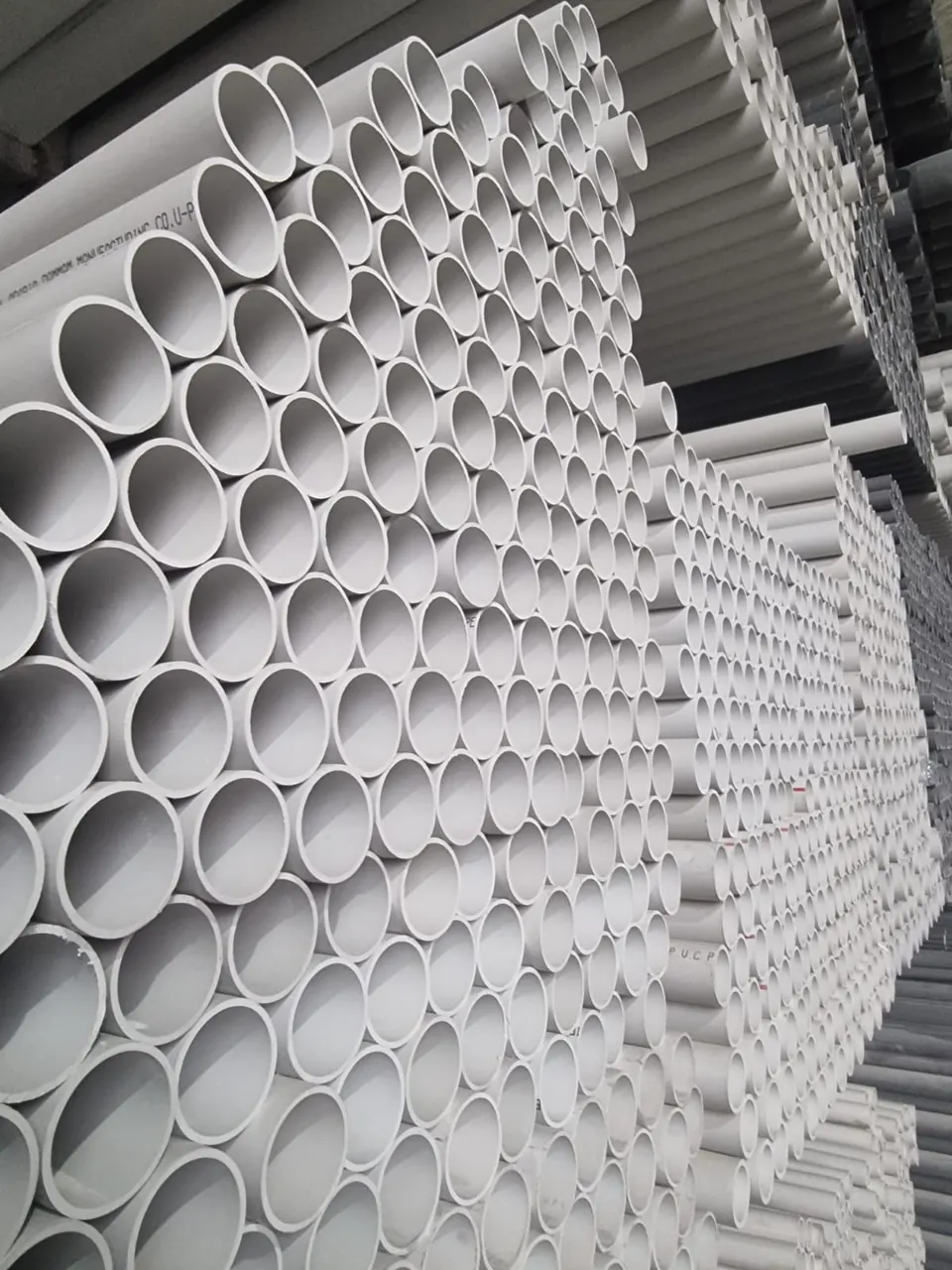
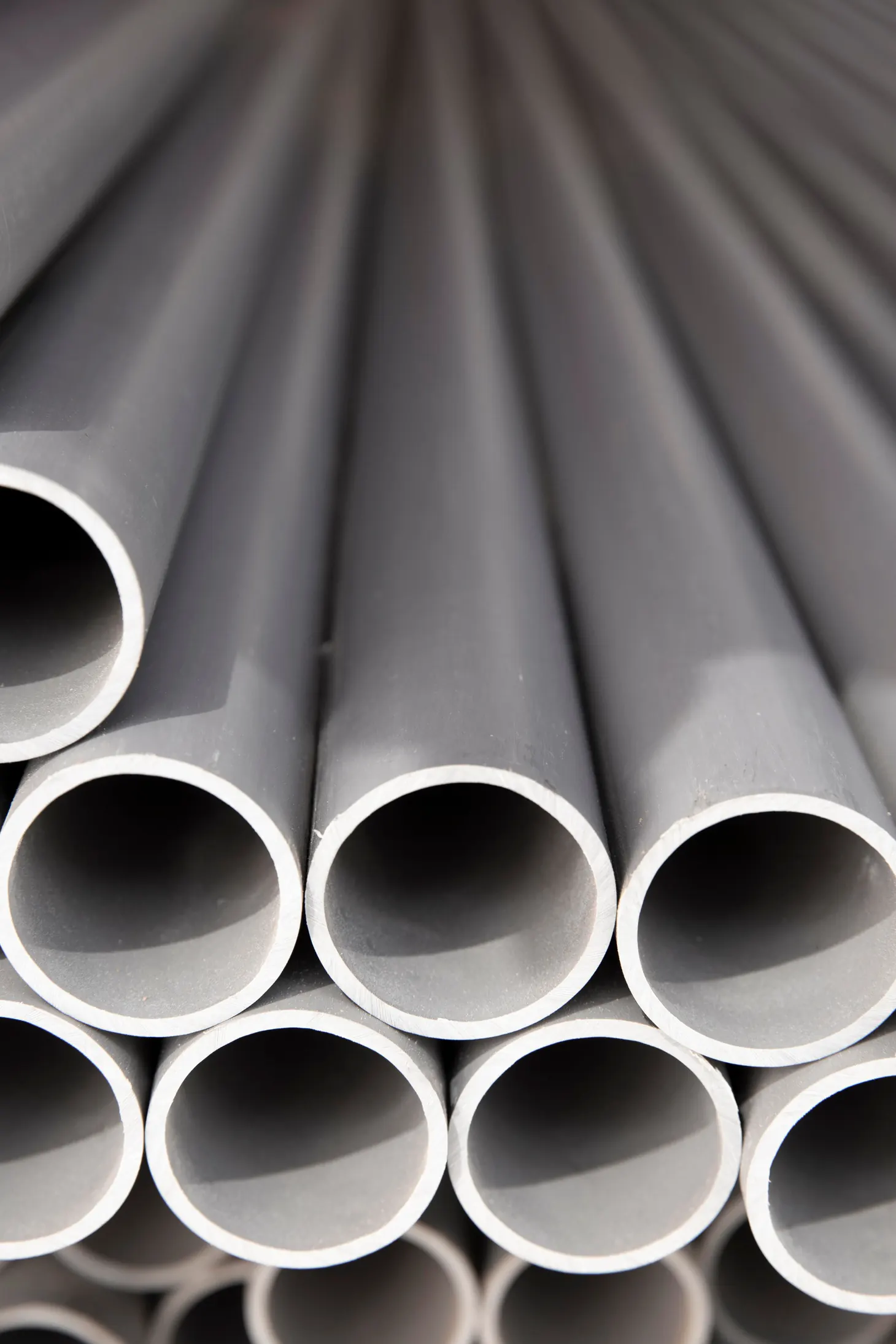
ALFA AL-ARABIA uPVC gravity sewer pipes are manufactured to DIN 19534 for underground wastewater collection systems. These pipes carry sewage, effluent, and stormwater by gravity (non-pressurized) flow. The pipe material is inherently immune to the hydrogen sulfide (H₂S) crown corrosion that destroys concrete and steel sewer pipes, providing a maintenance-free service life of 50+ years. Jointing is by elastomeric rubber ring push-fit, enabling fast installation and accommodating ground movement.
| Standard | DIN 19534, EN 1401, SASO |
|---|---|
| Material | uPVC (PVC-U) — Solid Wall |
| Ring Stiffness | SN 2, SN 4, SN 8 (kN/m²) |
| Size Range | 110 mm to 500 mm OD |
| Jointing | Elastomeric Rubber Ring Push-Fit |
| Color | Reddish-Brown (RAL 8023) / Grey |
| Standard Length | 3.0 m / 6.0 m |
The most compelling argument for uPVC sewer pipe is its complete immunity to microbiologically induced corrosion (MIC), commonly known as H₂S crown corrosion. In concrete and steel sewers, hydrogen sulfide gas (generated by anaerobic bacteria in warm sewage) rises to the pipe crown, where aerobic bacteria convert it to sulfuric acid. This acid attacks the pipe material at rates of 3–10 mm per year in severe cases, causing structural failure within 10–20 years. This phenomenon is especially aggressive in hot climates like Saudi Arabia, where sewage temperatures accelerate bacterial activity.
uPVC is chemically inert to sulfuric acid and all biological metabolites found in sewage. The pipe will not corrode, pit, or lose wall thickness over any timescale. This eliminates the need for protective linings, cathodic protection, or crown replacement — all common and expensive maintenance requirements for concrete and ductile iron sewer pipes.
Additional advantages include: lightweight handling (approximately 1/4 the weight of concrete pipe), smooth bore (Manning's n = 0.009 vs. 0.013 for concrete, enabling steeper gradients or smaller diameters), flexible rubber-ring joints that accommodate ground settlement, and root intrusion resistance at joints.
| Stiffness Class | SN (kN/m²) | SDR | Typical Max Cover (m) | Application |
|---|---|---|---|---|
| SN 2 | 2 | 51 | 2.0–3.0 | Light traffic, residential areas |
| SN 4 | 4 | 41 | 3.0–5.0 | Standard traffic, streets, parking |
| SN 8 | 8 | 34 | 5.0–8.0 | Heavy traffic, highways, industrial |
| Nominal Size (mm) | OD (mm) | SN 4 Wall (mm) | SN 8 Wall (mm) | Weight SN 4 (kg/m) |
|---|---|---|---|---|
| 110 | 110.0 ± 0.4 | 3.2 | 3.4 | 1.41 |
| 160 | 160.0 ± 0.6 | 4.0 | 4.7 | 2.55 |
| 200 | 200.0 ± 0.6 | 4.9 | 5.9 | 3.93 |
| 250 | 250.0 ± 0.8 | 6.1 | 7.3 | 6.05 |
| 315 | 315.0 ± 1.0 | 7.7 | 9.2 | 9.53 |
| 400 | 400.0 ± 1.2 | 9.8 | 11.7 | 15.35 |
| 500 | 500.0 ± 1.5 | 12.3 | 14.6 | 24.20 |
Gravity sewer pipe is designed using Manning's equation: V = (1/n) × R^(2/3) × S^(1/2), where V is velocity (m/s), n is Manning's roughness coefficient, R is hydraulic radius (m), and S is slope (m/m). For uPVC, n = 0.009 — significantly smoother than concrete (0.013), vitrified clay (0.012), or ductile iron (0.011).
The practical effect of the lower roughness coefficient is that uPVC sewer pipe can carry the same flow at a flatter gradient than concrete pipe, or carry 40% more flow at the same gradient. This translates to either: (a) reduced excavation depth for the same flow capacity, saving significant cost on deep sewer trunk mains; or (b) higher flow capacity for a given pipe size and gradient.
Minimum design velocity in sewer systems is typically 0.6 m/s at peak flow to ensure self-cleansing (prevention of solids deposition). Maximum velocity is limited to 3.0–4.0 m/s to prevent erosion at joints and abrasion of pipe invert. uPVC's smooth surface facilitates self-cleansing even at relatively flat gradients.
Concrete sewer pipe is attacked by sulfuric acid produced by bacteria from hydrogen sulfide gas (H₂S crown corrosion). uPVC is completely inert to sulfuric acid and all biological metabolites in sewage. There is no chemical reaction between PVC and any substance found in municipal or industrial wastewater.
SN 4 is the standard choice for most municipal sewer installations under streets and parking areas with cover depths of 2-5 m. SN 8 is specified for deep installations (5-8 m cover), heavy traffic areas (highways, airport runways), or poor soil conditions. SN 2 is used for shallow burial in residential areas.
An EPDM elastomeric gasket is pre-fitted in a precision groove inside the pipe socket. The chamfered spigot of the next pipe is lubricated and pushed into the socket until it reaches the depth mark. The compressed rubber ring creates a watertight and root-proof seal that also allows up to 3° of angular deflection at each joint.
A minimum velocity of 0.6 m/s at peak flow is required for self-cleansing. For 110 mm uPVC pipe, this requires approximately 1:60 gradient. For 200 mm, approximately 1:150. For 315 mm, approximately 1:250. These are significantly flatter than the gradients needed for concrete pipe due to PVC's smoother surface.
uPVC is resistant to most industrial effluents including dilute acids, alkalis, and salt solutions. However, check compatibility with specific chemicals — certain organic solvents and concentrated oxidizing agents are not compatible. For aggressive chemical effluent at elevated temperatures, CPVC or PP pipe may be more appropriate.
Minimum 50 years when properly installed per DIN/EN standards. Many uPVC sewer systems installed in the 1960s and 1970s are still in excellent condition after 50+ years of service. The material does not degrade over time because it is immune to the biological and chemical environment in sewers.
Contact our Jeddah engineering desk for instant project-specific pricing, technical submittals, and Material Approval Request (MAR) support.
Use these resources for design methodology and submittals. Confirm ALFA sizes, ratings, and availability for your project.
uPVC Gravity Sewer DIN 19534 · Standard context: DIN 19534. Documentation listed below is fulfilled on request through ALFA’s technical desk.